


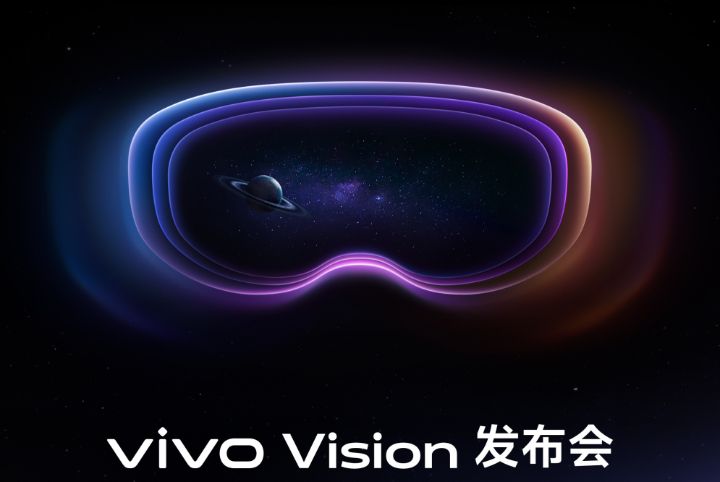
Chinese smartphone giant Vivo Communication Technology Co. has stepped into a futuristic new domain with the launch of its mixed reality headset – the Vivo Vision Explorer Edition. This move doesn’t just expand Vivo’s technological portfolio beyond smartphones and smart wearables – it signals the company’s ambitious vision of merging mixed reality (MR) with robotics.
While global players like Apple (with Vision Pro) and Meta focus heavily on AR/VR experiences, Vivo is creating a unique niche. Its latest product is not only designed for immersive entertainment and productivity but is also strategically tied to its robotics research and household automation projects.
This combination of mixed reality + robotics could potentially transform how we interact with smart machines in the coming years.
Let’s dive deeper into what the Vivo Vision Explorer offers, why it matters, and how it positions Vivo in the global tech race.
🎯 Why Vivo Is Betting Big on Mixed Reality
At an industry forum in China, Hu Baishan, Executive Vice President of Vivo and President of Vivo’s Central Research Institute, emphasized the significance of this launch:
- Short-term use: The headset is set to deliver immersive gaming, cinema-style big screens, and advanced productivity experiences.
- Long-term vision: The product is designed to act like the “eyes and brain of robots,” serving as a perception system that can analyze and interact with the physical world in real time.
In other words, while most companies promote MR headsets as lifestyle or entertainment gadgets, Vivo envisions them as fundamental smart tools for building the next generation of domestic robots.
🕶️ Vivo Vision Explorer: Key Features and Capabilities
Though Vivo has kept some of the technical specifications under wraps, here’s what makes the Vivo Vision Explorer particularly exciting:
1. Immersive Display Technology
- The headset offers ultra-high-resolution visuals with a wide field of view.
- Designed for media consumption, gaming, virtual meetings, and productivity tasks.
2. Mixed Reality Environment
- Combines AR (Augmented Reality) overlays with VR (Virtual Reality) immersion.
- Enables users to interact seamlessly with both digital content and the real physical world.
3. Spatial Awareness System (The “Smart Eye”)
- Equipped with advanced sensors and depth cameras to understand environments.
- Capable of scanning rooms, recognizing objects, and building spatial maps in real time.
- This system is crucial not just for immersive MR experiences but also for robot navigation and decision-making.
4. AI-Powered Interaction
- Tracks user gestures, voice commands, and head movements.
- Designed to integrate with AI algorithms that power robotics applications.
5. Robotics Integration Potential
- Unlike competitors, Vivo is designing this headset as a practical interface for robots.
- The headset could collect, process, and send real-world data to robots, essentially serving as their “eyes.”
🤖 How Mixed Reality and Robotics Connect
So, why is a smartphone company linking a headset to robots?
Vivo recently set up a robotics laboratory earlier this year, focusing on two key modules critical for smart robots:
- Decision-Making System (The Robot’s Brain): AI-powered software that helps robots understand and interact with humans.
- Spatial Awareness System (The Robot’s Eyes): Advanced vision systems and sensors for navigation in real-world environments.
The Vivo Vision Explorer headset could play a pivotal role in building these robotics systems by acting as both a data processor and an environment visualizer.
This combination opens doors to applications such as:
- Household robots for cooking, cleaning, and monitoring.
- Elderly caregiver assistants with intelligent real-time awareness.
- Next-gen human-robot collaboration in healthcare and education.

📈 The Rising Competition in Mixed Reality
Vivo’s entry into the MR market comes at a pivotal time:
- Apple launched the Vision Pro headset in 2024, targeting premium productivity and entertainment.
- Meta continues to dominate VR with its Quest headsets for gamers and workspaces.
- Chinese rivals like Huawei and Xiaomi are ramping up investment in AR/VR technologies.
By positioning itself at the intersection of mixed reality and robotics, Vivo is building a unique identity. Instead of competing head-to-head with Apple and Meta on lifestyle use-cases, Vivo aims to become a pioneer in practical MR + robotics integration.
🔧 Challenges Vivo Will Face
While the idea of merging MR devices with robotics is promising, the reality of building functional robots is far more complex. Industry experts highlight several barriers:
- Hardware Complexity: Building robots requires mechanical structures, motion control, and advanced electronics, areas where smartphone companies have little expertise.
- High Production Costs: Transitioning from smartphone assembly lines to robot production involves significant investment.
- Ecosystem Challenges: Developing robots requires a complete supply chain, from actuators (“hands and feet”) to power systems, which can take years to perfect.
Despite these hurdles, Vivo seems confident — aiming to launch its first household robot within three years.
🌍 What This Means for Consumers and the Market
For everyday users, the Vivo Vision Explorer could mean:
- Entertainment Revolution: Turn any room into an immersive cinema or gaming zone.
- Workplace Productivity: Host holographic meetings, run multiple virtual screens, and multitask effortlessly.
- Robotics Future at Home: Lay the foundation for smarter, AI-enabled household robots that work alongside humans.
For the global MR and robotics market, Vivo’s entry could add healthy competition and push faster adoption of mixed reality products beyond gaming and entertainment into practical real-world use.
🔮 The Future of Vivo’s Innovation Journey
Vivo has always been known as a trendsetter in smartphone technologies — from pioneering in-display fingerprint sensors to advanced camera innovations. Now, with Vivo Vision Explorer, the company is signaling its ambition to move far beyond smartphones into becoming a leader in next-gen intelligent devices.
If it succeeds, Vivo could become not just a smartphone brand but a tech powerhouse shaping the future of smart homes, robotics, and human-machine collaboration.
✅ Conclusion
The launch of the Vivo Vision Explorer mixed reality headset in China is more than a product announcement — it’s a statement of intent. Vivo is betting big on a future where mixed reality headsets power both personal entertainment and advanced robotics systems.
While challenges remain on the path to building consumer-ready robots, Vivo is positioning itself at the frontline of MR + AI + robotics convergence.
As the world eagerly watches how MR reshapes consumer technology, Vivo Vision Explorer may well become the foundation of a new era — where humans and smart robots see the world through the same lens.