


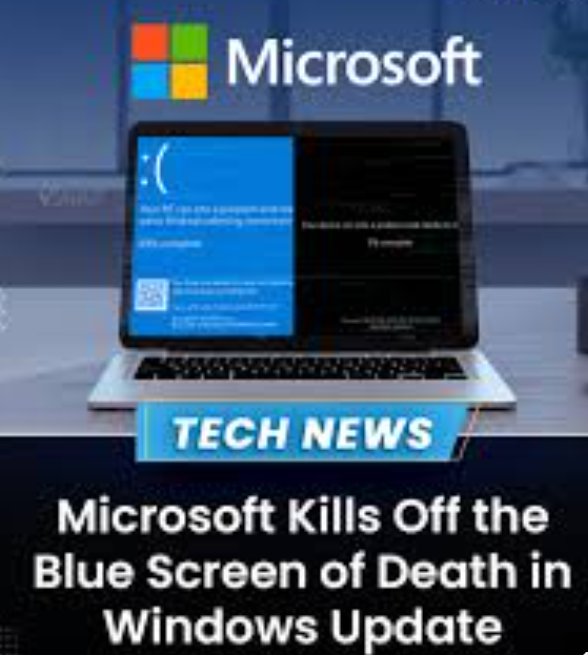
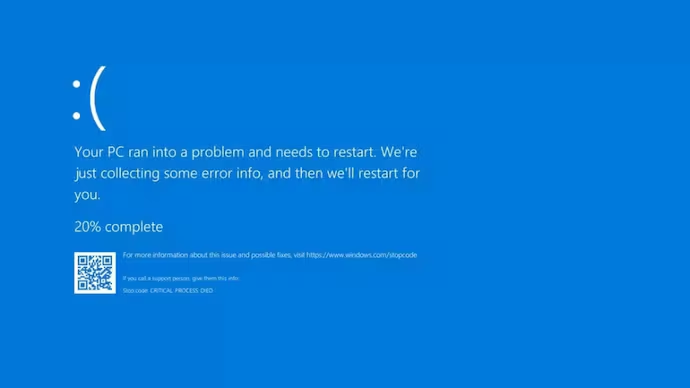
Microsoft has transformed the iconic Blue Screen of Death (BSOD) to a Black Screen of Death in its latest Windows 11 update, marking a significant update after over 40 years. This change is more than just a color shift; it symbolizes Microsoft’s effort to enhance user experience and streamline troubleshooting during system crashes. The new black screen features a minimalist design that removes the sad face emoji and QR code, focusing instead on clear error messages, stop codes, and driver information. This helps both everyday users and IT professionals quickly identify the cause of system failures and reduces downtime, particularly in enterprise environments. The updated screen is already rolling out to Windows 11 Release Preview users and is expected to reach all Windows 11 systems soon, accompanied by new recovery tools like Quick Machine Recovery to improve system resilience and restart speed. This redesign aligns better with Windows 11’s modern aesthetic and aims to transform a traditionally frustrating experience into a more intuitive and productive one.
Microsoft’s New Black Screen of Death: An Overview
After nearly four decades of the Blue Screen of Death being the signature error display in Windows, Microsoft has redesigned this screen with a sleek black background for Windows 11 users. The new design removes distracting elements, such as the frowning emoji and QR code, and replaces them with a cleaner, concise error message highlighting the stop code and problematic system drivers. This upgrade is part of Microsoft’s broader Windows Resiliency Initiative aimed at improving stability and making error diagnostics more transparent and user-friendly for all users, from everyday consumers to IT administrators.
Key Features of the Black Screen of Death
- Streamlined UI: The black background reduces visual clutter, aligning the crash screen with Windows 11’s overall design language.
- Enhanced Diagnostics: Stop codes and driver names are prominently displayed to help quickly identify issues without needing additional tools or long crash dumps.
- No More QR Code: Direct troubleshooting information is now included on the screen, eliminating the previous step of scanning a QR code for help.
- Faster Recovery: Paired with the Quick Machine Recovery feature, systems can attempt automatic fixes and reboot faster, reducing downtime and frustration.
Benefits for Users and IT Professionals
Everyday users benefit from a less intimidating and more informative error screen that makes identifying problems easier. For IT teams and system administrators, the enhanced visibility of error details greatly speeds up diagnosing and resolving system crashes. This efficiency is critical in enterprise settings where system uptime is vital. Furthermore, Microsoft reports a notable decrease in unexpected restart failures with Windows 11’s new update, reflecting the overall impact of these resiliency improvements.
Rolling Out to Windows 11 Systems
The Black Screen of Death is currently available to users in the Windows 11 Release Preview channel and will be released to all Windows 11 users in the near future. This rollout is expected to bring a more consistent and seamless user experience during system crashes, making Windows more stable and easier to recover from faults. The new visual style resembles the Windows Update screen more closely, offering a modern continuity in user interface design during interruptions.
The Significance of This Change
While the transition from the iconic blue to black might seem like a minor aesthetic shift, it signals Microsoft’s commitment to improving user experience and system reliability. The redesign shows Microsoft’s focus on clarity, reducing user anxiety during crashes, and making troubleshooting more straightforward. By updating such a historically frustrating element of the Windows operating system, Microsoft is embracing the future of system usability while honoring decades of Windows history.
Conclusion
Microsoft’s revamp of the Blue Screen of Death to a Black Screen of Death in Windows 11 is a thoughtful blend of design and functionality enhancements. This change promises a smoother, more understandable crash experience, empowering users with clearer information and faster recovery options. As the update rolls out, Windows users can expect an improved, less disruptive response to system errors—ushering in a new era of resilience and ease with Windows 11.


