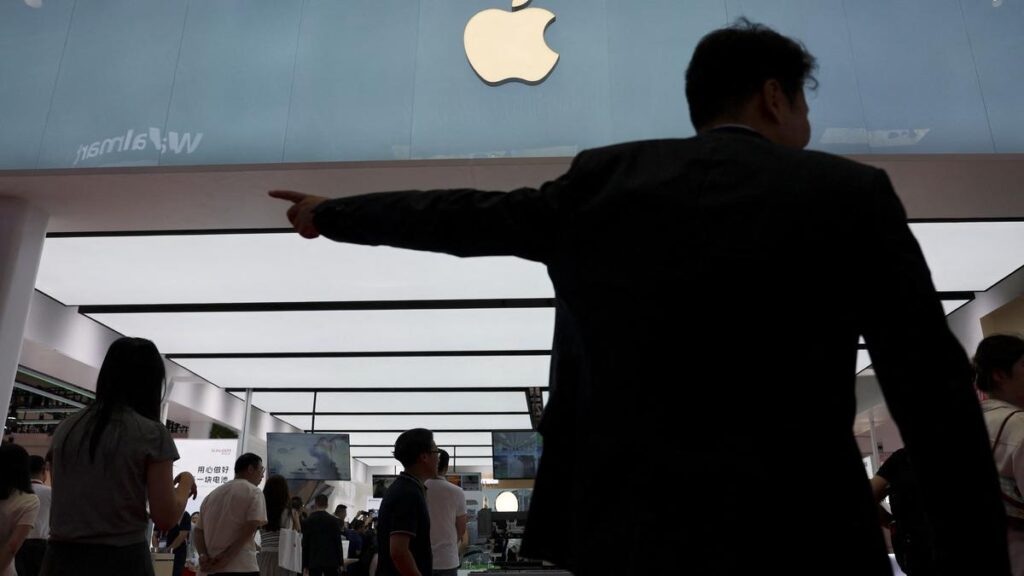

In a significant legal victory for Apple, the U.S. Ninth Circuit Court of Appeals has upheld the dismissal of a lawsuit filed by Lisa Bodenburg, who accused the tech giant of misleading iCloud users by shortchanging them on paid cloud storage. The court ruled that Apple delivered exactly what was promised—additional storage beyond the free 5 GB—and that there was no deceptive behavior in its offering.
This decision not only reinforces Apple’s legal standing in consumer cases involving its services but also sets a precedent for how digital service expectations are interpreted under U.S. consumer law.
But while Apple celebrates this win, its legal troubles are far from over. The company is simultaneously preparing for a much larger legal confrontation: a full-blown antitrust lawsuit led by the U.S. Department of Justice and 16 state attorneys general, targeting Apple’s control over the iPhone ecosystem, App Store policies, and alleged anti-competitive behavior.
Let’s dive into the Bodenburg case, why Apple won, and what it means in the broader context of its ongoing legal challenges and the future of the iOS ecosystem.
Bodenburg vs Apple: The iCloud Storage Controversy Explained
The lawsuit filed by Lisa Bodenburg accused Apple of deceptive marketing practices, claiming she was misled about the nature of iCloud’s paid storage tiers. Bodenburg argued that she expected more usable value from the extra storage and implied that the marketing exaggerated the benefits.
However, Circuit Judge Milan Smith dismissed these claims decisively, stating that Bodenburg received “exactly what Apple promised her”—incremental cloud storage above the free 5 GB tier. In his opinion, the misunderstanding stemmed from unreasonable assumptions rather than any misconduct by Apple.
He supported his ruling by citing other similar case dismissals, such as the claim that Diet Dr. Pepper could aid in weight loss or that lip balm packaging was deceptive because some balm remained inaccessible due to the tube’s design.
Judge Smith emphasized a critical legal point:
“Apple’s statements are not false and deceptive merely because they may be unreasonably misunderstood by an insignificant and unrepresentative segment of consumers.”
The decision to uphold a previous dismissal from U.S. District Judge Trina Thompson in May 2024 effectively ends Bodenburg’s case—solidifying Apple’s position.
What Does This Mean for Apple and iCloud Users?
The court’s ruling reaffirms the legality of Apple’s product communication and highlights the court’s unwillingness to entertain lawsuits based on fringe consumer expectations. It also emphasizes the importance of clear communication and transparency in digital service offerings.
From a user perspective, the takeaway is clear: Apple’s iCloud tiers are exactly what they say on paper. The company is not legally obligated to deliver beyond what is contractually offered—even if consumer interpretations vary.
More broadly, this ruling enhances Apple’s credibility when it comes to how it presents its services, especially in an era where privacy, data ownership, and service transparency are under increasing public scrutiny.
Apple’s Bigger Battle: DOJ Antitrust Lawsuit Still Looms
While the Bodenburg case has concluded in Apple’s favor, a much more consequential legal challenge is only just beginning.
Earlier this year, the U.S. Department of Justice—along with 16 states and Washington D.C.—filed an antitrust lawsuit accusing Apple of monopolistic practices through its iOS ecosystem. This includes claims that Apple:
- Makes it harder for users to switch to Android
- Suppresses competition from third-party apps and services
- Imposes restrictive rules via the App Store to stifle innovation
- Prioritizes its services and profits over developer freedom and user choice
Although Apple sought to have the case dismissed, a federal judge recently ruled that the DOJ’s arguments were credible enough to warrant a full trial. Apple must now prepare to defend its business practices in court—an uphill battle with massive implications.
Apple’s Defense: User Privacy and Experience Integrity
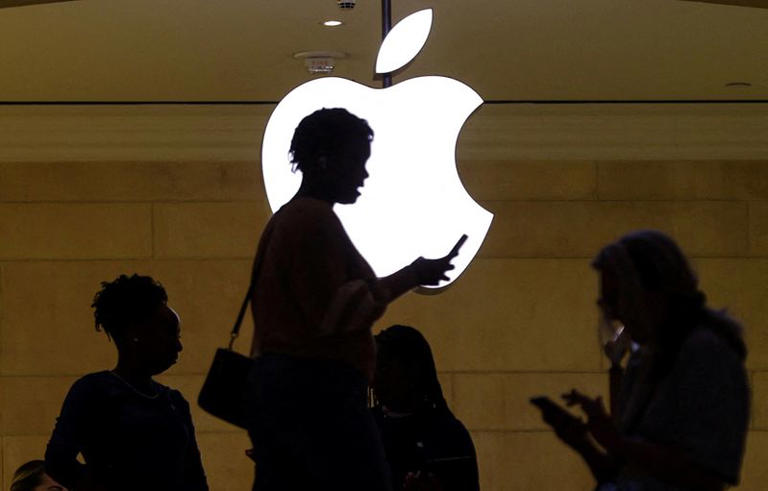
Apple strongly denies all antitrust allegations, asserting that its policies are designed to ensure user security, maintain platform integrity, and protect privacy. The company argues that loosening control over its ecosystem would jeopardize innovation, increase vulnerability to malicious apps, and degrade user experience.
Despite these arguments, the court did not find them sufficient to dismiss the case at this early stage. The decision signals that regulators have strong enough claims to move forward—and Apple must provide concrete evidence to counter them.
Why This Matters: Apple’s Ecosystem at a Crossroads
If regulators succeed, the trial could force Apple to “open up” its tightly controlled ecosystem—potentially requiring major changes in:
- How the App Store operates
- How third-party apps access system-level functions
- Interoperability between Apple and non-Apple devices
- Commission structures for in-app payments
Such outcomes could radically reshape the mobile technology landscape and significantly impact Apple’s business model, especially its services division, which generates billions in annual revenue.
Stock Market Reaction: Cautious but Not Panicked
Interestingly, Apple’s stock didn’t suffer a major drop following the court’s refusal to dismiss the DOJ lawsuit. Market analysts suggest that investors had already priced in the legal risk. Still, the increased volatility in Apple’s futures contracts shows that uncertainty looms.
Long-term investors are closely monitoring the trial, as the outcome could influence not only Apple’s future profits but also set new precedents for how tech platforms operate.
Final Thoughts: One Case Down, a Legal Marathon Ahead
Lisa Bodenburg’s lawsuit may have ended in Apple’s favor, but it serves as a preview of the legal scrutiny the company is facing on multiple fronts. From iCloud storage complaints to accusations of ecosystem monopolization, Apple finds itself at the center of the tech industry’s most critical legal battles.
The company’s ability to maintain user trust, defend its privacy-first philosophy, and adapt to possible regulatory changes will be tested in the months and years to come.
For consumers and tech enthusiasts alike, this is a defining moment—not just for Apple, but for how the digital ecosystem will evolve moving forward.
Stay tuned to TipsRocket.in for the latest updates on Apple’s legal showdowns, consumer tech news, and everything you need to stay informed in the ever-changing world of technology.