

Introduction
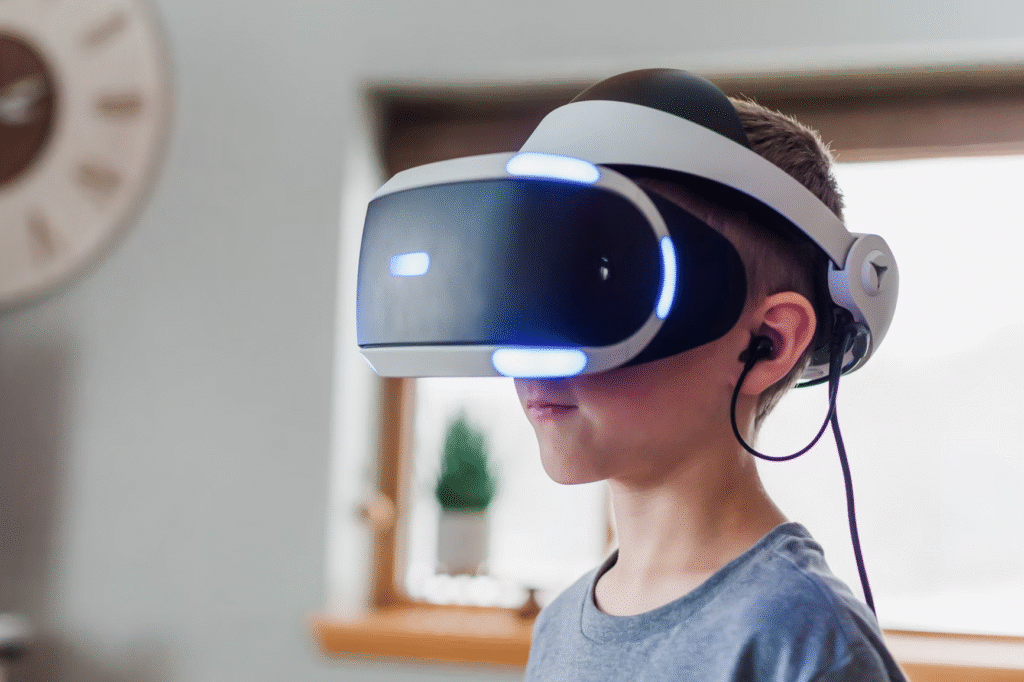
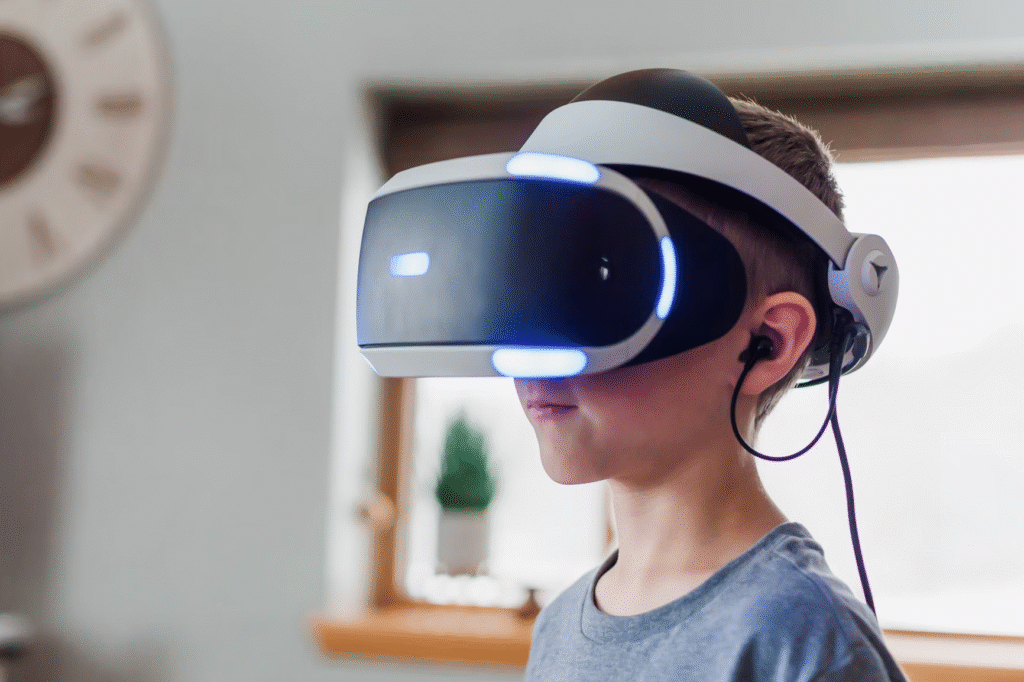
Meta, the parent company of Facebook, Instagram, and WhatsApp, is once again in the spotlight—but this time, the controversy centers around child safety in virtual reality (VR Headsets). According to recent reports and whistleblower testimony presented before the U.S. Senate, Meta allegedly suppressed internal research that highlighted harmful experiences of children using its VR headsets.
From accusations of grooming risks in popular VR Headsets spaces to allegations that company lawyers actively altered reports, the claims raise serious questions about corporate accountability, online safety, and the ethics of handling sensitive data about minors.
This article explores the allegations, details from the whistleblower documents, Meta’s defense, and most importantly—what parents need to know about VR safety for their kids.
The Allegations Against Meta
Two former Meta safety researchers have alleged that the company deliberately downplayed and erased evidence of children being exposed to harmful interactions on its virtual reality platforms.
Some of the key allegations include:
- Children under 13 accessing VR headsets despite age restrictions.
- Reports of predatory behavior where adults allegedly made inappropriate or sexual advances toward children inside VR environments.
- A German family’s testimony indicating that their child under 10 was propositioned by strangers while using a Meta device.
- Claims that lawyers instructed researchers to remove or alter reports that highlighted the most severe incidents.
- Allegations that Meta’s legal team also advised avoiding any form of research dealing directly with children “due to regulatory risks.”
Whistleblower Jason Sattizahn told the Senate hearing: “Meta has chosen to ignore the problems they created and bury evidence of users’ negative experiences.”
Meta’s Response
Meta categorically denied the allegations. Company spokesperson Dani Lever argued that the whistleblowers’ documents had been “stitched together to fit a predetermined and false narrative.”
Meta’s defense highlights:
- The company insists it does not prohibit research around children under 13.
- Meta claims that content was sometimes edited or removed from reports only to comply with federal privacy laws and GDPR regulations.
- Meta officials maintain that allegations of suppression are a “mischaracterization” of how their research teams operate.
The company has also been quick to point out that it recently lowered the minimum age for VR usage to 10, claiming improved parental supervision tools now make the experience safer for kids.
Congress Steps In
The allegations were considered serious enough that a U.S. Senate Judiciary subcommittee has scheduled hearings to investigate. The Subcommittee on Online Safety is tasked with examining whether Meta knowingly ignored or suppressed evidence that VR Headsets exposes children to risks such as:
- Cyberbullying
- Predatory behavior
- Addiction and compulsive use
- Exposure to inappropriate content
This comes just four years after the infamous 2021 Facebook whistleblower hearings, where Meta faced major criticism for ignoring Instagram’s harmful effects on teens. That controversy partly triggered stricter scrutiny of the company’s safety practices.
Why VR Safety for Kids is a Big Issue
Virtual reality offers immersive entertainment, socialization, and learning opportunities—but it also blurs the boundaries between the digital and real world, making children especially vulnerable.
Here are the major risks children face within VR spaces:
- Predators in digital disguise: Adults can use avatars to pose as kids and approach underage players.
- Unmonitored interactions: Unlike text-based apps, VR interactions (voice, gestures) are harder to moderate.
- Psychological impact: Younger children may struggle to separate fantasy from reality, which can lead to trauma if exposed to inappropriate or frightening conduct.
- Lack of parental controls: Many VR platforms still provide inadequate safety settings for parents.
- Bypassing age restrictions: Kids under 13 can often access VR platforms simply by entering a false birth date.

Pros and Cons of Kids Using VR
✅ Pros
- Engaging educational experiences through immersive simulations.
- Creativity and imagination boost via interactive environments.
- Physical movement in VR activity games promotes exercise.
- Opportunities for positive global interactions and teamwork.
❌ Cons
- High risk of predatory behavior and exposure to inappropriate content.
- Health concerns like eye strain, headaches, and motion sickness in younger users.
- Psychological harm if children face harassment or unsafe interactions.
- Potential for reduced real-world social skills due to excessive VR immersion.
- Overshadowing of parental authority if kids access VR unsupervised.
The Bigger Picture: Tech Companies vs Child Safety
Meta’s controversy is not unique. Big Tech companies often walk a tightrope between innovation, user engagement, and regulatory obligations. When it comes to children, the stakes are even higher because:
- Children form a lucrative emerging market for VR products.
- Regulators worldwide (USA, EU) enforce strict children’s privacy protections (COPPA, GDPR).
- Neglecting risks damages public trust and invites stricter laws that can hurt companies’ global growth.
The heart of the debate is whether Meta prioritized business interests over the safety of vulnerable child users.
What Parents Can Do Right Now
While governments debate regulations, parents remain the first line of defense when it comes to child safety in VR. Here are some essential tips:
- Verify and control age-appropriate settings on VR headsets.
- Use Meta’s parental supervision tools to monitor screen time and friend lists.
- Place VR devices in shared living spaces, not private bedrooms.
- Educate your child about stranger danger in virtual environments.
- Limit daily VR use to 20-30 minutes for younger children to avoid health issues.
- Consider waiting until the child is 13 or older, regardless of Meta’s new 10+ policy.
Will This Change Anything?
The current Senate hearings could mark a pivotal moment in shaping the future of VR regulation. If lawmakers find Meta guilty of suppressing research, it may trigger:
- Stricter data collection laws regarding children.
- Mandatory age verification mechanisms for VR devices.
- New penalties on companies for negligence in online child safety.
- A broader push for international collaboration on digital child protection policies.
For now, the controversy highlights one urgent truth: the immersive nature of VR comes with risks that require stronger safeguards—especially when children are involved.
Conclusion
The allegations that Meta suppressed internal VR child safety research reveal deep concerns about how tech giants handle responsibility toward their youngest users. While Meta denies wrongdoing, the testimony from whistleblowers and evidence shared with Congress spark critical debates about ethics, regulation, and the growing influence of immersive technologies.
For parents, educators, and policymakers, the message is clear: child protection in VR cannot be an afterthought. If companies like Meta fail to prioritize it, external pressure from regulators—and vigilant supervision from parents—will become the new guardrails of digital childhood safety.