


India’s Unified Payments Interface (UPI) has become a cornerstone of digital transactions. From small daily purchases to large-scale business payments, UPI is transforming how Indians exchange money. Yet, as UPI continues to grow, so do its challenges and opportunities. RBI Governor Sanjay Malhotra recently shared his thoughts on what lies ahead for this revolutionary platform. In this article, we’ll break down Malhotra’s key insights, the impact of new fees, and what it means for businesses, banks, and customers like you.
Let’s take a deeper look into the future of UPI payments and how the landscape is shifting.
🌟 The Evolution of UPI: How Did We Get Here?
Before diving into the future, let’s take a quick look back. Launched in 2016, UPI aimed to streamline digital payments by offering instant, real-time transactions between different banks. The system grew rapidly due to its convenience, security, and low transaction costs, making it a popular choice for users and businesses alike.
📈 UPI Growth Milestones:
- online payment processed over 7 billion transactions in a single month by 2025, with numbers continuing to rise.
- Merchant adoption surged as businesses began embracing UPI for both peer-to-merchant (P2M) and peer-to-peer (P2P) payments.
However, with such rapid growth, operational challenges—such as infrastructure costs—have emerged. That’s where RBI Governor Sanjay Malhotra’s insights come into play.
🧑⚖️ RBI Governor Sanjay Malhotra’s Vision for UPI Payments
Sanjay Malhotra, in his recent statements, discussed the need to balance UPI’s explosive growth with sustainable practices. Here are the key takeaways:
1. Addressing Rising Infrastructure Costs 💸
As UPI grows, the infrastructure costs for maintaining the system are becoming unsustainable for banks. To overcome this challenge, Malhotra pointed out that a fee structure might be implemented for payment aggregators (PAs) and certain transactions to ensure sustainability.
2. Enhanced Security Measures for UPI 🔒
The rapid growth of digital payments brings with it the increasing risk of fraud and cyberattacks. Malhotra emphasized that the RBI will continue to strengthen security measures to protect users from these risks. This could include:
- Biometric authentication for UPI apps.
- Two-factor authentication (2FA) for added security during transactions.
3. Global Expansion of UPI 🌍
Sanjay Malhotra sees online payment becoming a global payment system. Several countries have already shown interest in adopting UPI, and the RBI is working on making cross-border payments seamless, which could revolutionize how payments are processed internationally.
4. Encouraging Innovation ⚙️
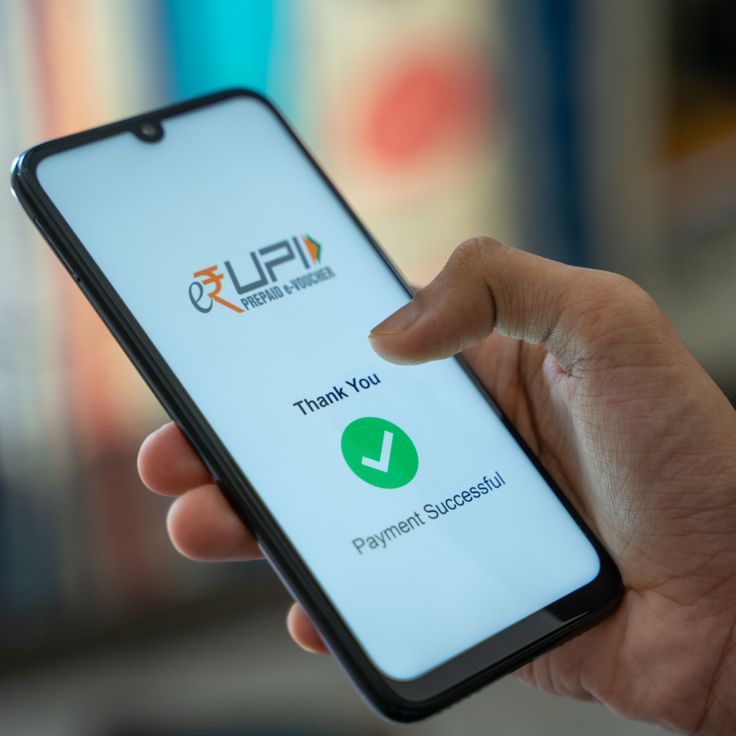
The RBI aims to foster Innovation within the online payment ecosystem. With features like UPI 123 Pay for feature phones and UPI Lite for small transactions, Malhotra’s focus is on making UPI more accessible and user-friendly. The RBI is also pushing for the integration of AI, blockchain, and machine learning to improve payment efficiency.
🏦 ICICI Bank’s New Fee Structure: What Does It Mean?
ICICI Bank’s recent decision to charge payment aggregators (PAs) for processing online transactions has stirred up discussions in the payments industry. Here’s how it works:
- Escrow Account Users: If PAs maintain an escrow account with ICICI Bank, they will incur a two basis points fee, capped at ₹6 per transaction.
- Non-Escrow Account Users: For PAs without an escrow account, the fee increases to 4 basis points, capped at ₹10 per transaction.
Interestingly, if online payments are directly settled into a merchant’s ICICI Bank account, there are no fees applied.
Why the Change?
The move comes in light of rising infrastructure costs and the fact that online transactions don’t generate Merchant Discount Rate (MDR) fees for banks. This is ICICI Bank’s way of recovering some of the costs associated with maintaining the online payment infrastructure.
📊 Pros and Cons of the New Fee Structure for UPI
Pros:
- Sustainability for Banks 🏦
- Charging payment aggregators could help banks recover the rising costs of maintaining the UPI infrastructure, ensuring its continued functionality.
- More Secure Transactions 🔐
- With increased fees, there may be a focus on upgrading security measures, reducing fraud, and improving overall transaction safety.
- Encouragement for Direct Settlement 💳
- Merchants settling payments directly into their ICICI Bank accounts may avoid these new fees, creating an incentive for businesses to switch to ICICI as their primary banking partner.
Cons:
- Increased Costs for Merchants 💼
- Suppose payment aggregators pass these fees onto merchants. In that case, businesses may face higher transaction costs, potentially increasing the price of goods and services for consumers.
- Complexity in the Payment System ⚙️
- The introduction of these fees could complicate the already complex payment systems for businesses and customers alike, leading to potential confusion and inefficiencies.
- Impact on Smaller Payment Aggregators 📉
- Smaller aggregators, especially those without the resources to maintain an escrow account, may struggle to absorb the new costs, affecting their bottom line.
💡 How Will These Changes Affect You?
For merchants:
- Fee Increases: Some merchants may need to adjust their pricing strategy to accommodate the new transaction fees, passing these costs on to customers.
- More Payment Options: As ICICI Bank’s incentives may push merchants to settle payments directly into their bank accounts, this could change the way businesses choose their payment processors.
For customers:
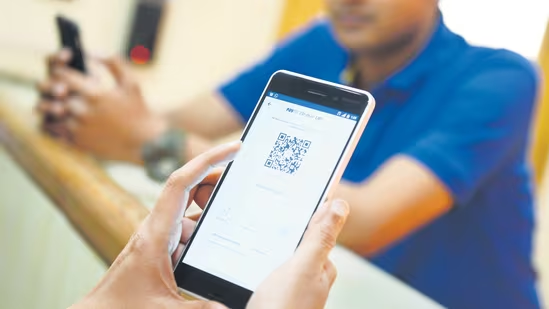
- Minimal Immediate Impact: Customers won’t see direct fees on online payments just yet, but higher convenience or platform fees might emerge if payment aggregators pass on the costs.
- Improved Security: The push for enhanced UPI security will likely result in a safer digital transaction environment.
🔮 Looking Ahead: The Bright Future of UPI Payments
Despite the challenges posed by rising costs and fees, the future of online payments remains incredibly promising. With RBI’s focus on security, Innovation, and global expansion, UPI is poised to remain a vital tool for digital transactions not just in India but across the globe.
In conclusion, UPI’s evolution is not just about cost recovery—it’s about ensuring that the infrastructure can handle the immense volume of transactions and keep evolving in the digital age. Whether you’re a consumer, a business owner, or a payment aggregator, staying informed about these changes is essential to navigating the future of online payments effectively.
🚀 Stay Ahead with the Latest Updates on Digital Payments
For the latest insights, trends, and tips about UPI and the evolving digital payment ecosystem, stay tuned to TipsRocket.in. Your go-to resource for everything in the world of digital finance!