
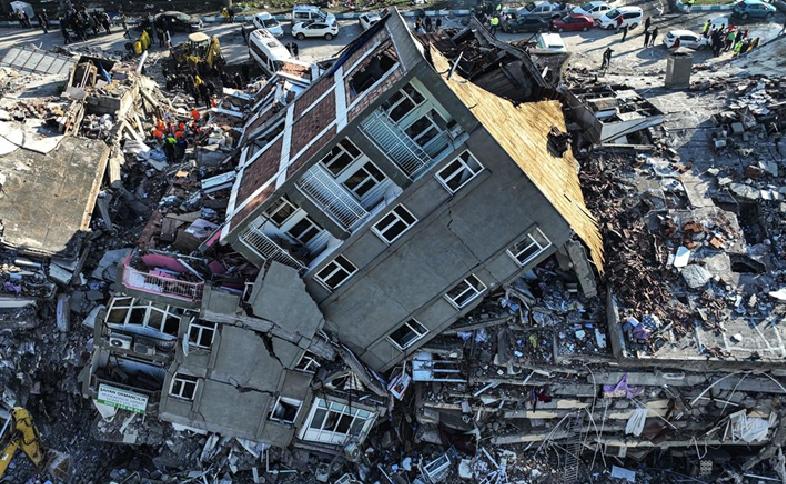

In the early hours of February 6, 2023, as much of southeastern Turkey and northern Syria slept soundly, the ground beneath them began to shake violently. A 7.8-magnitude earthquake, followed by a 7.5-magnitude aftershock, ripped through the region, leveling buildings and claiming more than 55,000 lives. Over 100,000 others were injured, with many trapped under collapsed homes and businesses.
What should have been a life-saving moment for millions turned into a technological failure. Google’s Android Earthquake Alerts System (AEA) — designed to detect earthquakes and send out timely alerts — was fully operational at the time. Yet, it failed to accurately warn the people at risk, leading to global scrutiny and sharp criticism from experts, survivors, and researchers alike.
A System Designed to Save Lives
Google’s Android Earthquake Alerts System was developed to function as a global seismic safety net. Instead of relying on traditional seismic sensors, AEA uses accelerometers in Android smartphones to detect early tremors. If enough phones in a region detect similar shaking patterns, the system interprets this data to estimate magnitude, determine epicenter location, and push alerts to users before the strongest shaking reaches them.
There are two types of alerts:
- Take Action Alert: The highest-priority alert that triggers a loud alarm, flashes across the screen, and overrides Do Not Disturb settings. It’s designed for severe shaking that threatens human life.
- Be Aware Alert: A lower-level warning meant for mild tremors. It does not override silenced phones and typically appears as a standard notification.
In theory, this mobile-based system should give users anywhere from 5 to 35 seconds of warning — just enough time to duck under a table, move away from windows, or exit unsafe buildings.
The Shocking Underperformance
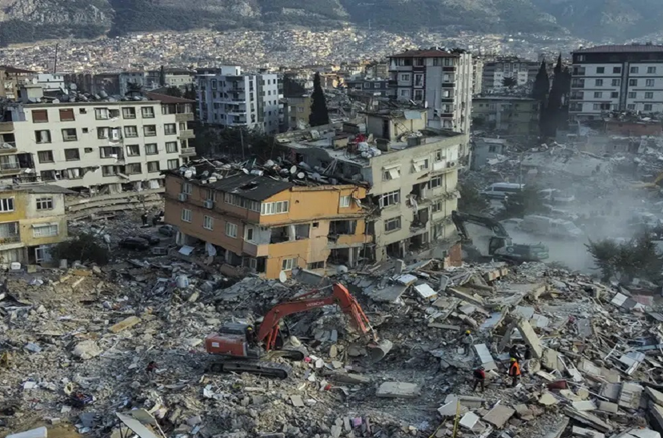
Despite its promising technology, AEA failed catastrophically on that February morning in Turkey. According to post-disaster analysis:
- Only 469 “Take Action” alerts were issued for the first 7.8-magnitude quake.
- Around 500,000 users received the “Be Aware” alert, which lacks urgency and is unlikely to wake sleeping users.
- An estimated 10 million people within a 160 km radius of the epicenter were eligible for the highest-level warning — but didn’t receive it.
The system, which runs on Android — a platform used by over 70% of Turkish smartphone users — underestimated the initial quake’s magnitude. Instead of detecting it at 7.8, the system estimated a shaking intensity between 4.5 and 4.9 on the Moment Magnitude Scale. This miscalculation was enough to block the urgent Take Action alert from being deployed to most users.
What Caused the Alert Failure?
Google researchers later admitted that algorithmic limitations were at the core of the issue. The early detection algorithm was not optimized for massive, high-magnitude events. It struggled to differentiate between a moderate tremor and a catastrophic one when the signals came in.
The detection system was overwhelmed, and due to strict thresholds intended to avoid false alarms, it underreacted instead of overreacting — with fatal consequences.
To make matters worse, the earthquake struck at 4:17 AM — a time when most residents were asleep. The only alert that could have awakened them and prompted immediate action was the loud “Take Action” warning, which, unfortunately, almost no one received.
Field Investigations: A Wake-Up Call
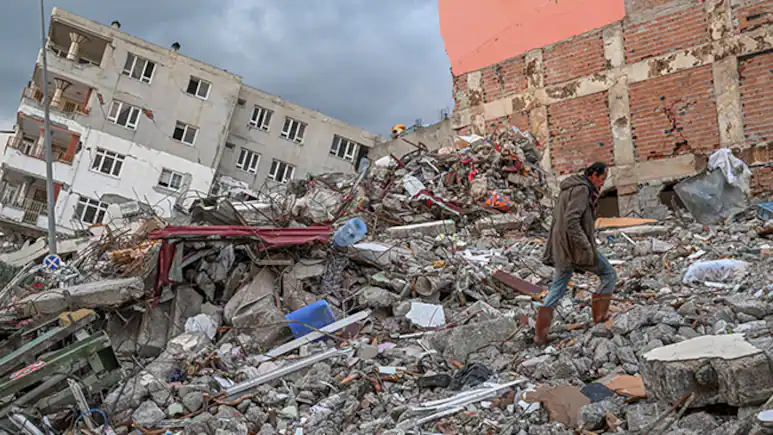
After the disaster, several media organizations and research bodies conducted on-the-ground investigations. Despite interviewing survivors across multiple cities and towns within the quake zone, not a single person reported receiving a Take Action alert before the shaking started.
Initially, Google insisted the system had “performed well.” But as pressure mounted and data revealed the staggering scale of the failure, the company revised its stance, acknowledging shortcomings and promising improvements.
Post-Quake Improvements and Simulations
In the months following the disaster, Google engineers re-evaluated the Turkey earthquake using an updated version of their algorithm. When simulated again with the new parameters, the system would have sent:
- 10 million Take Action alerts to those in immediate danger.
- 67 million Be Aware alerts to people in surrounding areas.
This major discrepancy highlighted the fact that with better tuning, the system could have been far more effective during the actual event.
Google stated it has since improved the algorithm to better detect and classify large-magnitude events, especially in regions with a dense network of Android users.
What Experts Say: Concerns and Cautions
While Google’s effort to provide global earthquake alerts is applauded in principle, scientists and seismologists have raised critical concerns:
- Lack of transparency: Experts are frustrated that it took over two years for Google to fully disclose how and why the alert failed.
- Overreliance on tech: Some worry that countries may depend too heavily on Google’s system, neglecting investment in national early warning infrastructure.
- Limited access to data: Independent researchers have little visibility into how the system operates, making it hard to evaluate its performance in real-time.
According to many seismologists, no third-party alert system — no matter how advanced — should be considered a replacement for official government-operated seismic warning networks.
Google’s Current Stand and the Road Ahead
Google has defended the AEA system as a supplementary tool, not a replacement for state-level early warning systems. It has reaffirmed its commitment to improving the technology, learning from each earthquake event, and deploying smarter, faster algorithms.
As of 2025, AEA is now live in 98 countries and continues to evolve. With each major quake, it gathers more data, becoming better at identifying high-risk scenarios.
However, the company emphasizes that public awareness, national systems, and disaster readiness still play the biggest roles in saving lives.
Lessons Learned: The Human Cost of Tech Overconfidence
The 2023 Turkey earthquake was a wake-up call — not just for governments and engineers, but for the general public as well.
Technology can be a powerful ally, but it’s not infallible. Even the most sophisticated systems can miscalculate, glitch, or fail under pressure. And when they do, the consequences can be fatal.
As mobile-based warning systems like AEA become more widespread, transparency, testing, and collaboration with local authorities must take center stage.
What You Can Do: Stay Alert, Stay Prepared
While waiting for governments and corporations to refine their technologies, individuals can take steps to stay safer:
- Ensure earthquake alerts are enabled on your Android device.
- Know your region’s risks and have an emergency evacuation plan.
- Educate your family on what to do when an alert is received.
- Don’t rely solely on one system — follow local news, radio, and government alerts.
Final Thoughts
The tragedy in Turkey could have had a different outcome — or at least fewer casualties — had the earthquake warning system functioned as intended. Google’s Android Earthquake Alerts System, though innovative, failed to meet the moment when it was needed the most.
As the world becomes more connected and digital, we must also demand accountability, transparency, and constant innovation from the tech giants who shape our lives. The lessons learned from Turkey’s 2023 earthquake must not be forgotten — because the next big quake could happen at any moment.