

In a world where artificial intelligence is rapidly reshaping the way we learn, work, and create, Google’s Gemini AI has stepped into the spotlight with an exciting new tool that promises to bring creativity and storytelling to life like never before. Meet the “Storybook” feature, an innovative AI-driven platform that lets users generate fully illustrated children’s stories in just a few clicks.
Whether you’re a parent, teacher, content creator, or just someone with a love for storytelling, the Google Gemini AI Storybook feature is about to change how you bring ideas to the page—literally.
🎨 What is Google Gemini AI Storybook?
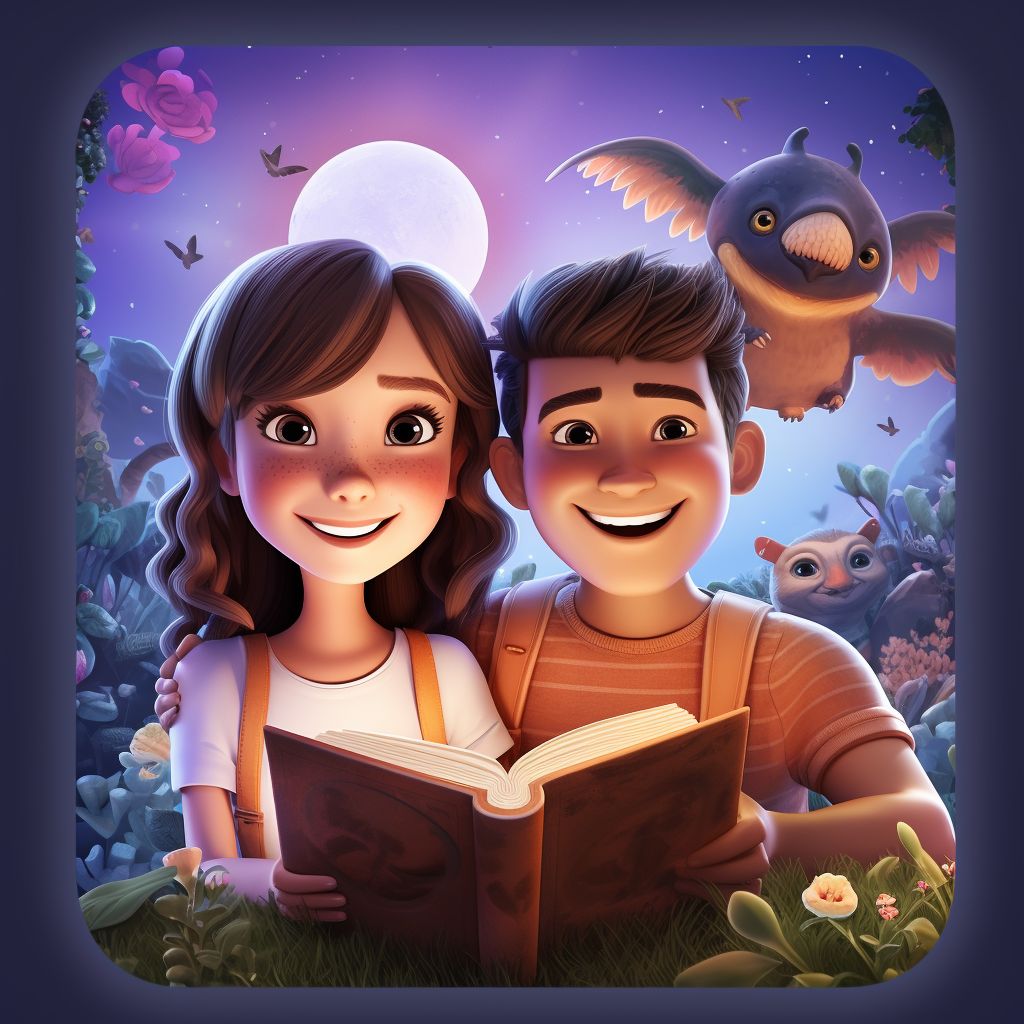
Launched as part of Google’s Gemini AI chatbot suite, the Storybook tool allows users to generate a complete 10-page illustrated story simply by describing the story concept. Want to write about a space-traveling penguin or a dragon who learns ballet? Just tell Gemini, and it gets to work—writing short paragraphs and pairing them with vivid, AI-generated illustrations.
Users can choose from a range of art styles such as:
- Claymation
- Anime
- Comics
- Watercolor
- Digital sketch
- And even upload their images for reference!
The result? A unique, visually engaging storybook that’s perfect for kids—and entertaining for adults too.
🧠 How Does Gemini AI Create These Stories?
Google’s Gemini AI combines natural language processing with text-to-image generation technology. When you enter a prompt, the AI:
- Analyzes the narrative request
- Generates a short story with paragraphs for each page
- Selects or generates corresponding illustrations based on the scene
- Reads the tale aloud, making it an engaging multimedia experience for kids
The AI model taps into a huge database of language and visual data, trained to understand context, tone, and creative expression. The tool is intuitive enough to create storylines with emotional depth and characters with distinct personalities.
🤹♂️ Features That Set It Apart
While AI story generators aren’t brand-new, Google’s approach with Gemini AI is unique in its usability, customizability, and visual appeal.
✨ 1. Multiple Art Styles
From anime to claymation, the tool caters to a wide audience. You can even mix styles within a story for a surreal, artistic twist.
🖼️ 2. Image Uploads
Users can upload reference images—great for inserting personalized characters or scenery into the narrative.
🔊 3. Read-Aloud Functionality
A built-in text-to-speech engine narrates the story aloud, making it perfect for bedtime stories or early learners who aren’t reading yet.
🛠️ 4. Editable Content
You can revise text, swap illustrations, or tweak page content as needed. It’s not just AI automation; it’s AI collaboration.
😅 The Quirks and the Fun of AI Creativity
As with any AI-generated content, the Storybook feature has its quirks—some of which are unintentionally hilarious.
In early examples shared by users:
- A story about a catfish in an aquarium generated an image of a fish… with a human arm.
- A tale involving spaghetti sauce ended up looking like a cartoon crime scene.
- A depiction of a mother and son watching TV showed the TV screen on the wrong side of the room.
These oddities may seem like flaws, but they’re also reminders of how AI art is still evolving. And honestly, they add a bit of unexpected charm to the stories.
🎯 Who Is It For?
The potential applications of the Google Gemini AI Storybook tool are broad and impactful:
👪 For Parents:
Create personalized bedtime stories in seconds. Replace generic tales with characters that look like your kids and pets.
🧑🏫 For Teachers:
Design classroom stories aligned with curriculum or cultural themes. Spark student engagement with illustrated narratives they can relate to.
🧑🎨 For Content Creators:
Use AI to draft stories for YouTube videos, children’s eBooks, or educational apps.
🧒 For Kids:
Encourage young minds to explore storytelling and creativity by turning their wild ideas into real illustrated books.
📈 Impact on Digital Storytelling
The introduction of Gemini AI’s Storybook tool could redefine the storytelling industry. Where once it took weeks or months to produce a children’s book, now anyone can create one in minutes.
This democratization of creativity:
- Makes storytelling accessible to non-writers and non-artists
- Reduces cost barriers for indie authors and educators
- Accelerates content development for publishers and platforms
As AI-generated content becomes more common, tools like Gemini AI can also help inspire young readers to become young creators.
🔐 Ethical & Content Considerations
Of course, not everything is sunshine and unicorns. Like all AI art tools, Gemini raises questions about:
- Content accuracy
- Age-appropriate themes
- Cultural bias in visuals
- Over-reliance on automation
Google has built in moderation features and encourages responsible use—especially since this tool is primarily aimed at children. Still, human oversight remains essential, particularly in educational and public contexts.
🔮 What’s Next for Google Gemini AI Storybook?
As AI continues to grow more sophisticated, we can expect future updates to bring:
- Multilingual storytelling support
- Interactive story games
- 3D animation exports
- Voice personalization for characters
- Collaborative story creation across multiple users
This could open doors for AI-powered story apps, educational software, and even interactive eBooks sold on Kindle or Apple Books.
🏁 Final Thoughts
The Google Gemini AI Storybook tool is a bold step forward in AI-powered creativity. While it still has its whimsical flaws, it represents a seismic shift in how stories are written, illustrated, and consumed.
Whether you’re a tech-savvy parent or a creative professional, this tool offers a fun, engaging, and powerful way to bring your stories to life. It’s not just another AI feature—it’s a playground for the imagination.