

Introduction
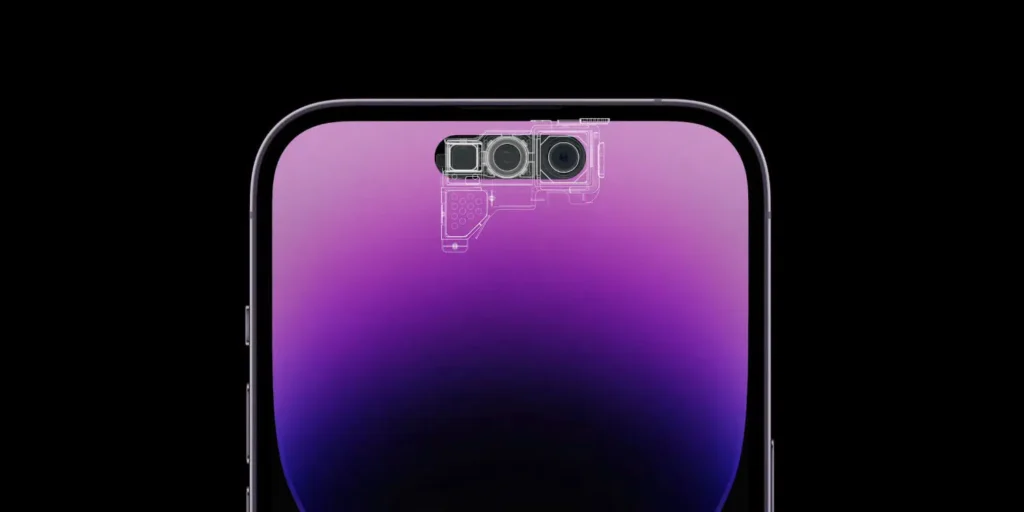
Apple’s journey toward creating a true all-screen iPhone is one step closer with the upcoming iPhone 18 lineup, expected in 2026. According to fresh reports, the iPhone 18 will feature a smaller Dynamic Island, offering users a more immersive screen experience. However, contrary to earlier expectations, Apple is not introducing under-screen Face ID or an under-screen camera just yet.
This anticipated design change marks the first significant update to the Dynamic Island since its debut on the iPhone 14 Pro in 2022. Let’s break down what this means for iPhone fans, along with the expected features, pros, and cons of the rumored iPhone 18 design.
🔍 What’s Changing with the Dynamic Island?
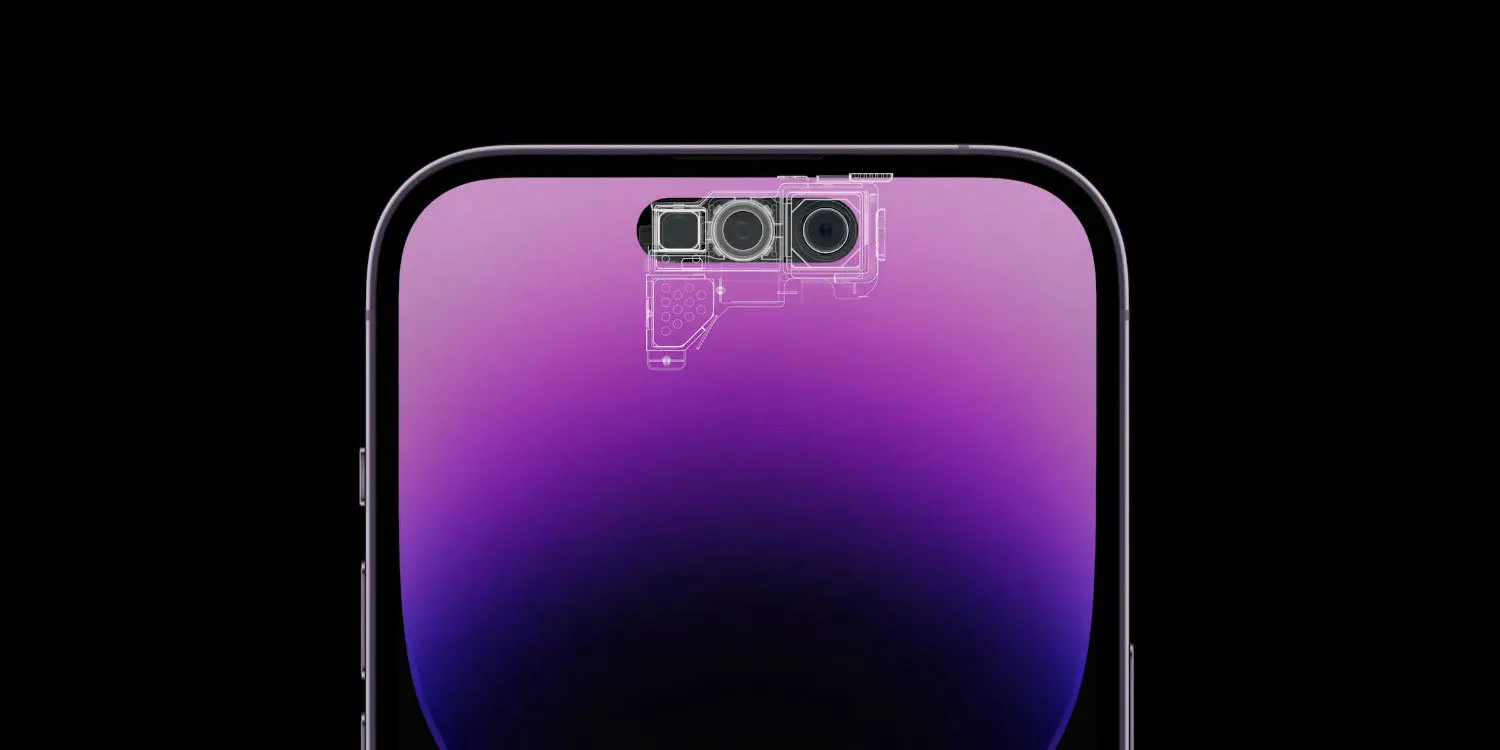
Since its launch in 2022, the Dynamic Island has been one of Apple’s most notable design contributions, blending functionality with aesthetics. While the idea was to transform an otherwise intrusive cutout into an interactive hub, its size has remained unchanged for years.
What’s new about the iPhone 18 Dynamic Island?
- The cutout will become narrower, reducing the amount of space it occupies on the top of the screen.
- A smaller Dynamic Island means more visible screen real estate for apps, videos, and browsing.
- Despite the shrinkage, the Dynamic Island’s functionality for Live Activities, notifications, FaceTime alerts, and music playback will remain intact.
For those who value a seamless visual experience, this change is huge. Apple users may finally feel the screen looks less obtrusive, moving closer to the dream of a “bezel-less, full-display iPhone.”
❌ No Under-Screen Face ID… Yet
One of the biggest rumors in recent years was that Apple would move to under-display Face ID. Competing Android phones have already experimented with under-display technology, raising expectations for Apple to follow suit.
However, from all reports surrounding the iPhone 18:
- Face ID will remain part of the Dynamic Island cutout.
- No under-screen selfie camera for this generation.
- Apple is likely waiting until the technology can deliver flawless image quality, security, and reliability, something under-screen cameras still struggle with.
So while the iPhone 18 will look sleeker, the under-display revolution may not land until the iPhone 19 or iPhone 20.

⚡ Performance Boost: A20 Chip with 2nm Technology
The design update isn’t the only reason to be excited. Another highlight of the iPhone 18 rumors is the Apple A20 chip, expected to be built on TSMC’s 2nm process technology.
- This chip promises cutting-edge power efficiency and faster performance compared to the A-series chips before it.
- Improved battery life is also likely, thanks to lower energy consumption.
- Enhanced support for AI and Apple Intelligence features would make the iPhone 18 a powerhouse.
This positions the iPhone 18 as not only a design upgrade but also as a performance leader.
🖼️ Camera Upgrades for iPhone 18
According to analysts, the iPhone 18 could also debut variable aperture lenses on its main camera, a step-up from fixed aperture lenses used before.
Benefits include:
- Better low-light performance with wider apertures.
- Improved photography depth control for professional-looking portraits.
- Enhanced adaptability for both daylight shots and night photography.
Additionally, Apple is reportedly moving away from its exclusive reliance on Sony for sensors, with Samsung now contributing advanced stacked camera sensors for sharper and more detailed photos.
🌐 Connectivity and Memory Upgrades
The iPhone 18 lineup is rumored to feature:
- 12GB RAM across all models, ensuring smooth multitasking and AI-driven operations.
- Apple’s second-generation 5G modem, possibly extending in-house manufactured chips beyond budget iPhones.
- Stronger integration with Apple Intelligence and real-time applications powered by machine learning.
This combination makes the iPhone 18 a forward-facing device, engineered for the future of AI-powered smartphones.
⭐ Pros and Cons of iPhone 18 Rumors
✅ Pros
- Smaller Dynamic Island creates a more immersive screen experience.
- 2nm A20 chip ensures faster speeds and better efficiency.
- Improved camera sensors for professional-grade photography.
- Potentially longer battery life due to advanced chip design.
- Higher RAM and AI performance across models.
❌ Cons
- No under-screen Face ID despite long-standing expectations.
- Rumored camera upgrades may be limited to Pro models only.
- Gradual design shifts may disappoint users wanting a radical redesign.
- Higher spec improvements could mean even steeper pricing.
🎯 What This Means for Apple Fans
The iPhone 18 is shaping up to be a refinement year rather than a revolution. With a smaller Dynamic Island, an A20 2nm chip, and camera enhancements, Apple continues to polish its design without rushing into under-display technologies.
For those considering when to upgrade:
- If you own an iPhone 14/15, the iPhone 18 could be a significant step forward.
- If you already purchased an iPhone 16 or iPhone 17, the improvements might feel more incremental — unless you value greater AI capabilities and camera precision.
🏆 Conclusion
The iPhone 18 smaller Dynamic Island represents another step toward Apple’s all-screen vision. While under-display Face ID will have to wait longer, the device is shaping up to offer a refined design, powerhouse performance with the A20 chip, and major improvements to camera technology and AI operations.
Apple is still playing the long game, and for users, it means incremental but meaningful updates every year. The iPhone 18 may not be the end goal all-glass iPhone, but it’s certainly a strong leap closer.
Frequently Asked Questions (FAQs) About iPhone 18 Smaller Dynamic Island
1. Will the iPhone 18 have a smaller Dynamic Island?
Yes, rumors suggest that the iPhone 18 series will feature a narrower Dynamic Island compared to previous models. This smaller cutout will occupy less screen space, giving users a more immersive display experience without sacrificing the functionality of the Dynamic Island for notifications and live interactions.
2. Does the iPhone 18 support under-screen Face ID or front camera technology?
No, according to credible leaks, the iPhone 18 will not have under-screen Face ID or an under-display front camera. Apple appears to be postponing this technology until future iPhone models, possibly the iPhone 19 or later, prioritizing flawless biometric security and camera quality over rushing to implement under-display components.
3. What are the performance upgrades planned for the iPhone 18?
The iPhone 18 is expected to be powered by Apple’s next-generation A20 chip, manufactured using TSMC’s advanced 2nm process. This means improved performance, greater energy efficiency, and enhanced AI capabilities that will boost overall speed and battery life.
4. How will the camera system change on the iPhone 18?
The iPhone 18 may introduce variable aperture lenses on its main camera for the first time, allowing for better low-light photography and improved image depth. Additionally, Apple is reportedly incorporating new three-layer stacked sensors from Samsung, enhancing photo quality and detail.
5. When is the iPhone 18 expected to be released?
The iPhone 18 series is anticipated to launch in September 2026, keeping with Apple’s traditional fall release cycle. Some reports also suggest possible shifts to introducing different models throughout the year, including early releases for budget versions.
6. How does the smaller Dynamic Island impact user experience?
A smaller Dynamic Island reduces the visual intrusion on the iPhone’s screen, allowing more room for content and enhancing immersion. It keeps the core interactive features like live notifications, music controls, and FaceTime alerts while taking up less space in the status bar.
7. Will the price of the iPhone 18 increase due to these upgrades?
While exact pricing is not confirmed, the addition of advanced components like the A20 chip, improved camera tech, and design refinements could lead to a higher price point, especially for Pro models. Apple usually factors these premium features into the pricing strategy.