

Introduction
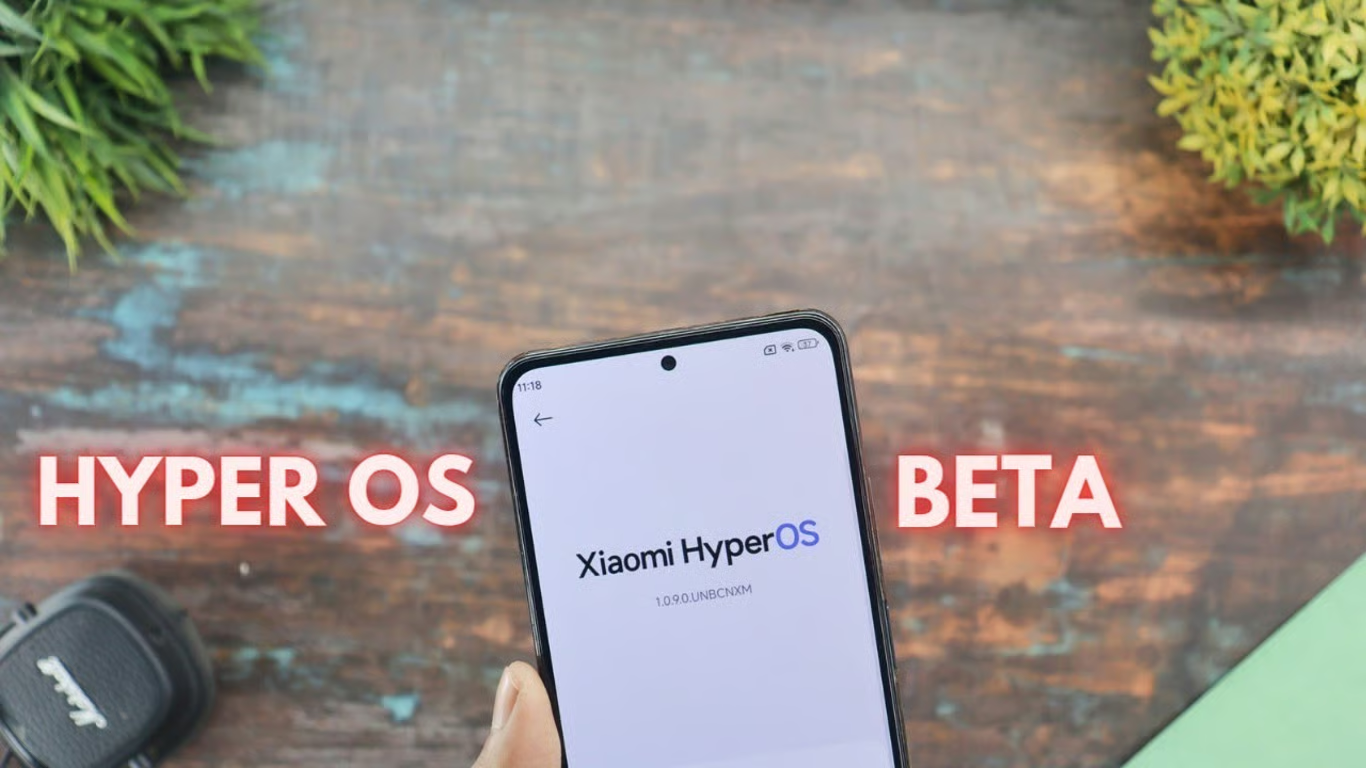
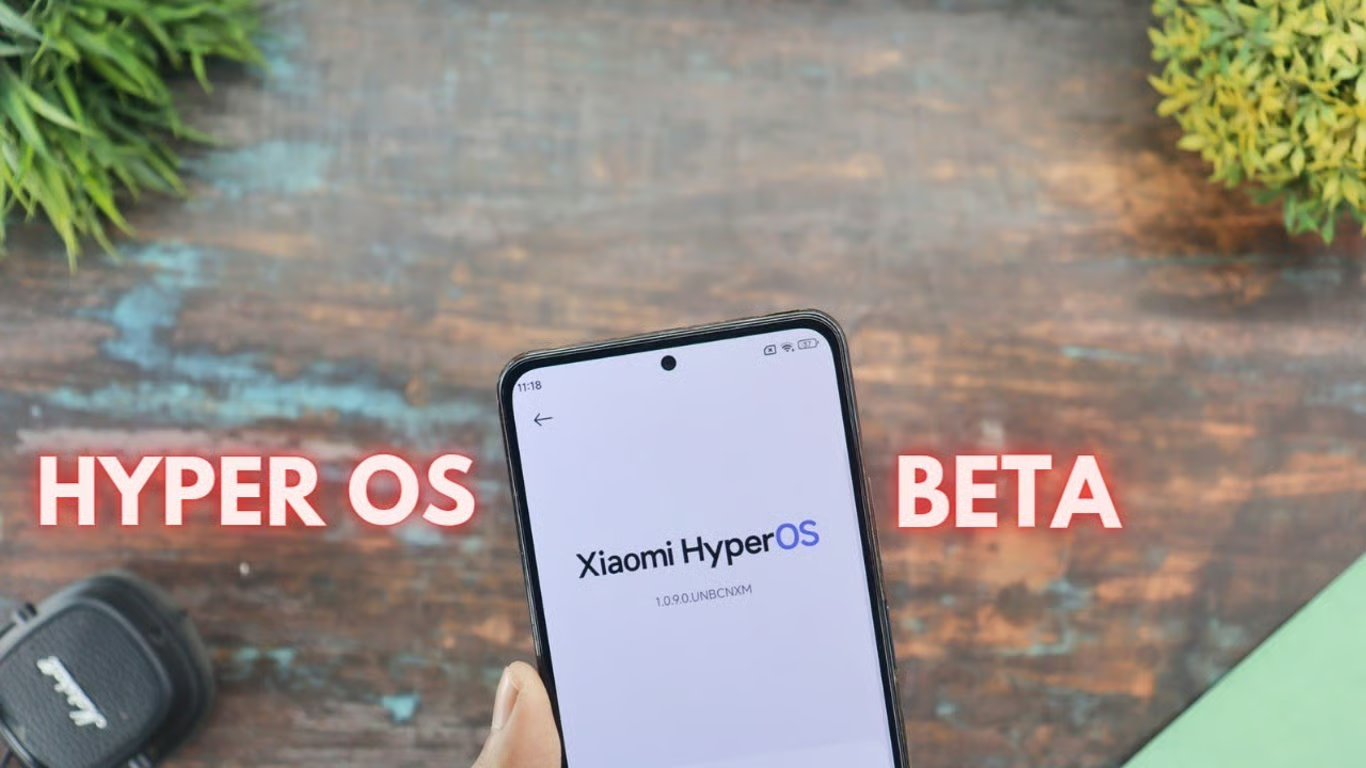
Xiaomi has officially expanded its HyperOS 3 global beta program to more than 80 devices, covering Xiaomi, Redmi, and POCO smartphones and tablets. This major rollout promises to bring Android 16-based features, modern UI design, and long-term software support to a wide user base worldwide.
With flagship, foldable, mid-range, and even older devices included in the beta, Xiaomi has shown a strong commitment to making its updated interface available to as many users as possible. The HyperOS 3 update not only refreshes the user interface with a polished look but also introduces exciting features like Super Island, redesigned call screens, and liquid glass effects.
In this article, we take a close look at everything you need to know about Xiaomi HyperOS 3—its features, supported devices, rollout strategy, pros and cons, and why this might be one of the biggest software updates in Xiaomi’s history.
What is Xiaomi HyperOS 3? 📱
HyperOS is Xiaomi’s next-generation user interface, designed to replace MIUI gradually. With HyperOS 3, Xiaomi is focusing on three major pillars:
- User experience improvements with smoother animations and interactive designs.
- Integration with Android 16, ensuring future-ready updates.
- Broader device support, from flagship premium phones to budget Redmi and POCO models.
This update serves as a powerful signal that Xiaomi is taking software longevity seriously. Where many Android brands slow down updates after 2 years, Xiaomi is updating even older models, strengthening customer trust.
New Features in Xiaomi HyperOS 3 ✨
Here are the most exciting changes and features coming with HyperOS 3:
- 📌 Super Island: Xiaomi’s take on Apple’s popular Dynamic Island, where animations and app interactions appear around the front camera cutout.
- 🎨 Refreshed Icons and Interface: A cleaner, more iOS-inspired design with refined system symbols, yet maintaining Android’s customizability.
- 📞 Redesigned Call Screen: Incoming calls now have a sleek new look, making interactions more modern.
- 💧 Liquid Glass Effects: Subtle animations and background effects that create a premium glass-like experience.
- ⏰ Customizable Lock Screen Clocks: Choose from multiple clock layouts and styles for a personalized lock screen.
- ⚡ Performance Optimizations: Faster app loading times and smoother scrolling all across the UI.
- 🔒 Enhanced Privacy Tools: Improved permission controls and secure system updates.
- 🌙 Battery Optimization: Smarter background task handling for improved battery life.

Xiaomi HyperOS 3 Device List 📋
Xiaomi has confirmed that more than 80 devices are part of the HyperOS 3 beta program. This includes flagships, foldables, tablets, Redmi mid-range phones, and POCO devices.
Xiaomi
- Xiaomi 13 Series
- Xiaomi 14 Series
- Xiaomi 15 Series
- Xiaomi MIX Flip
- Xiaomi MIX Fold 4
- Xiaomi Pad 7 Series
Redmi
- Redmi Note 13 Series
- Redmi Note 14 Series
- Redmi K80 Series
- Redmi Pad 2
POCO
- POCO F6 Series
- POCO F7 Series
- POCO X7 Series
(Additional devices are expected as the rollout widens in the coming months.)
Why HyperOS 3 is a Big Deal 🌍
Xiaomi’s decision to expand its HyperOS 3 beta program to more than 80 devices is not just about a software update. It’s a bold statement in the Android ecosystem. While brands like Samsung offer long-term support for flagship devices, Xiaomi is extending flagship-grade features to mid-range and even budget models.
This strategy:
- Builds customer loyalty by showing long-term care.
- Improves competitiveness against Samsung, OnePlus, and other global rivals.
- Extends device lifespan, reducing e-waste and promoting sustainability.
Pros and Cons of Xiaomi HyperOS 3 ⚖️
✅ Pros
- 🚀 Over 80 devices supported, from flagship to budget.
- 🎨 Modern UI inspired by iOS but with Android freedom.
- 🔋 Better performance, smooth animations, and power efficiency.
- 📱 Extended software support for older devices.
- 🔒 Improved security and privacy controls.
- 📂 Enhanced customization options for lock screens and icons.
❌ Cons
- ⏳ Beta version may come with bugs and performance issues.
- 📶 Some older devices may not handle heavy animations well.
- 🌍 Rollout could be delayed depending on region.
- 🔧 Not all Android 16 features are finalized yet.
Expected Rollout Timeline ⏱️
The HyperOS 3 beta program has already gone live for select users. With large-scale testing underway, Xiaomi is expected to begin stable rollouts by late Q4 2025 or early Q1 2026.
The first wave will focus on flagships like Xiaomi 15, Xiaomi 14, and MIX series devices. Redmi Note and POCO models will likely receive the update in staggered phases.
Is Your Device Getting HyperOS 3? 🤔
If you own a Xiaomi, Redmi, or POCO device launched in the last two years, there is a very high chance that you’ll be eligible for HyperOS 3. Xiaomi has been testing aggressively, which indicates global coverage.
Users can check for eligibility through:
- The Xiaomi Community app
- OTA notifications once beta slots are open
- Official Xiaomi HyperOS 3 program announcements
Conclusion 🚀
The expansion of the Xiaomi HyperOS 3 global beta program to more than 80 devices makes it one of the largest software rollouts in Xiaomi’s history. With a design refresh, iOS-inspired features like Super Island, and powerful Android 16 integration, this update is set to completely transform the Xiaomi user experience.
For Xiaomi, Redmi, and POCO users, this is a huge win—whether you own the latest flagship or a mid-range device, HyperOS 3 is coming your way.